
Fundamental Theorem of Calculus
-
-
An antiderivative of a function
is one function whose derivative is . OR
is the antiderivative of For example:
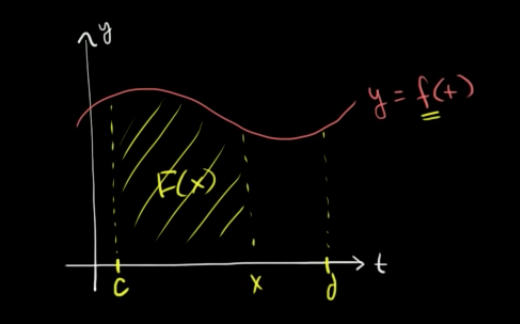
-
- A definite integral equals the difference between the antiderivative of the bounds of the definite integral
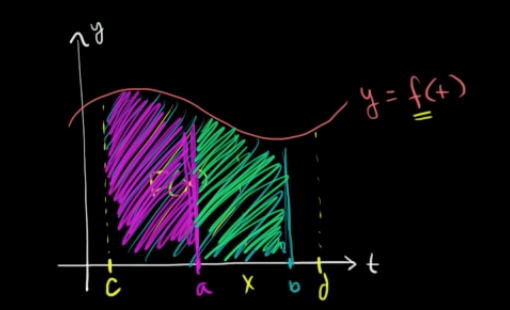
Images: https://www.khanacademy.org